“You may not control the tide, but you can choose how you meet the waves.”
What to Expect
Consultation
Before booking a session, you can schedule a free 15-minute phone call to see whether Dr. Bemis may be a good fit for your needs.
Intake
The intake session is designed to gather background information, including your history and presenting concerns. During this first session, we will also review consent forms, discuss therapy expectations, and explore treatment approaches.
Individual Therapy
The initial phases of therapy focus on identifying SMART goals and collaboratively developing a treatment plan. Ongoing symptom monitoring includes standardized self-report screeners.
Termination
Preparing for termination will include reviewing progress, planning for the future, and reflecting on the therapy experience. When appropriate, referrals to other providers will be offered.

Treatment Overview
Currently, Dr. Bemis offers outpatient individual psychotherapy to California residents aged 18 and older through a secure, HIPAA-compliant virtual platform.
Dr. Bemis uses evidence-based treatments grounded in current scientific research to help clients make meaningful, lasting changes. These include cognitive behavioral therapy (CBT), cognitive processing therapy (CPT), acceptance and commitment therapy (ACT), and dialectical behavior therapy (DBT) skills training.
Progress is regularly reviewed and measured, and treatment is adjusted as needed to support the best possible outcomes.
Evidence-based therapy
Evidence-based therapy is a form of psychological treatment proven effective through rigorous scientific research and clinical trials.
Measurable outcomes
Treatment outcomes are measured with clear, standardized metrics and ongoing inquiry to ensure integrity, effectiveness, and continuous improvement.
Treatment Areas
Anger
Anxiety
Cultural identity
Depression
Emotion dysregulation
Family conflict
Identity issues
Men’s issues
Panic attacks and panic disorder
Relationship issues
Schizophrenia and psychosis
Shame
Stress management
Trauma & PTSD
Women’s issues
Treatment Modalities
Dr. Bemis provides evidence-based care by using cognitive-behavioral approaches and standardized, objective measures to monitor treatment progress.
-
ACT (pronounced “act”) helps you develop greater psychological flexibility by changing your relationship with difficult thoughts and emotions. It emphasizes mindfulness, self-compassion, and identifying what truly matters to you so that you can take meaningful, values-driven action—even when life feels difficult.
-
CBT helps you understand the connection between your thoughts, emotions, and behaviors. It provides practical, evidence-based tools to help you identify and change unhelpful thoughts, develop more balanced ways of thinking and coping, and build healthier patterns of behavior.
-
CBTp helps you better understand and manage distressing experiences such as unusual thoughts, beliefs, or perceptions. It focuses on developing more helpful ways of understanding and responding to these experiences to reduce distress, strengthen coping skills, and improve overall functioning and quality of life.
-
CPT is an evidence-based and gold-standard treatment for post-traumatic stress disorder (PTSD). It is a manualized, structured treatment that is typically delivered over 12 sessions. It is designed to help individuals recover from PTSD symptoms by identifying, challenging, and changing negative beliefs associated with a traumatic event.
-
DBT-informed therapy teaches practical skills to help you manage emotional sensitivity, impulsivity, and navigate relationships more effectively.
The goal is not to eliminate difficult emotions, but to help you develop the skills to respond to them more effectively and build a life that’s more balanced, meaningful, and fulfilling.
Unlike individual DBT skills training, DBT-informed therapy integrates concepts and techniques from DBT into psychotherapy in a less structured format. DBT techniques may also be integrated with other therapeutic modalities (e.g., CBT or ACT) and introduced at a pace tailored to your needs.
For more information about DBT-informed therapy, see the FAQ page.
-
Unlike DBT-informed therapy, DBT skills training is delivered in a structured, educational format. Sessions typically begin with a review of a “diary card,” followed by instruction and practice of DBT skills.
DBT skills training focuses on four core areas:
Mindfulness — Learning to be more present and aware of your thoughts, emotions, and experiences without judgment.
Distress Tolerance — Developing healthier ways to cope with painful emotions and difficult situations without responding impulsively or destructively.
Emotion Regulation — Understanding and managing emotions while reducing vulnerability to intense emotional reactions.
Interpersonal Effectiveness — Learning how to communicate your needs, set healthy boundaries, and navigate relationships while maintaining respect for yourself and others.
Skills training may be particularly helpful for individuals who are not in an active crisis but struggle with intense emotions, impulsive behaviors, or relationship challenges.
Comprehensive DBT, by contrast, is a more intensive treatment that may be recommended for individuals experiencing more severe or complex difficulties, including significant emotion dysregulation, suicidal ideation, or chronic self-harm.
To learn more about the differences between comprehensive DBT, DBT skills training, and DBT-informed therapy, visit the FAQ page.
-
Standardized self-report measures that objectively assess clinical symptoms will be administered before, during, and at the conclusion of treatment to quantitatively monitor treatment progress.


If you’re interested in getting started, you can…
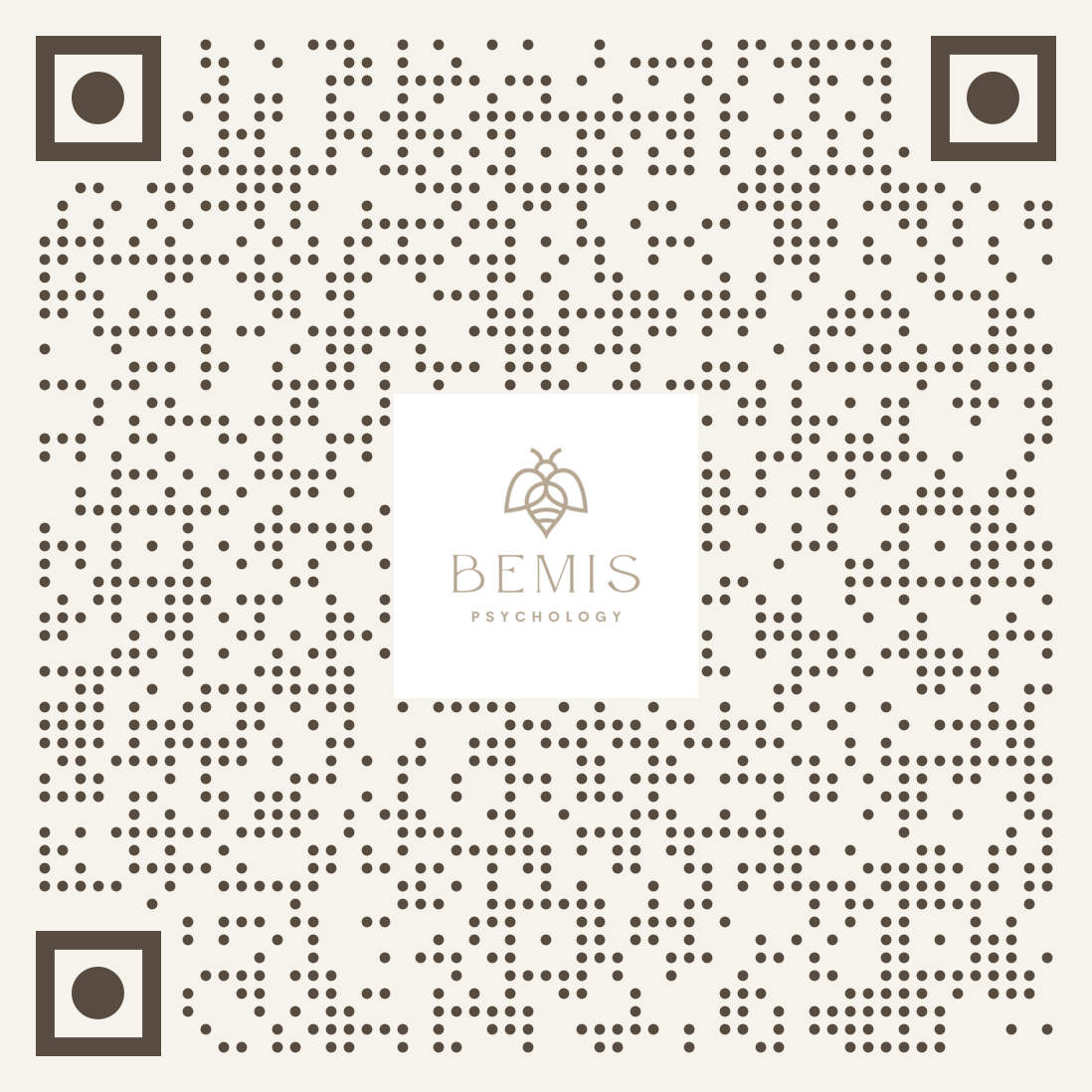
Scan the QR code to go to my Headway profile, or click here to book an individual therapy appointment.
Headway is a mental healthcare platform that connects patients with in-network licensed therapists and medical providers. If you are out of network, I can provide you with a superbill for you to send to your insurance carrier for potential reimbursement. For more information, see my FAQ page.
I am in-network with Aetna, Anthem Blue Cross, Carelon Behavioral Health, and Horizon Blue Cross and Blue Shield of New Jersey.
OR
Schedule your free 15-minute initial consultation to ask questions and get a sense of what working together would look like.